
Lewis White, Research Officer, Money and Mental Health; Francesca Smith, Senior Research Officer, Money and Mental Health
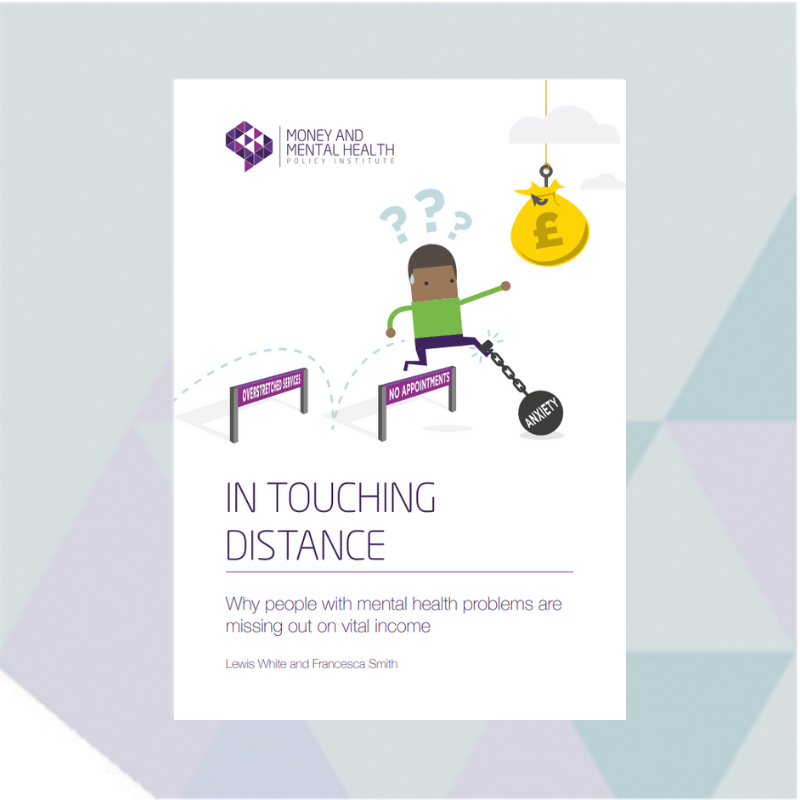
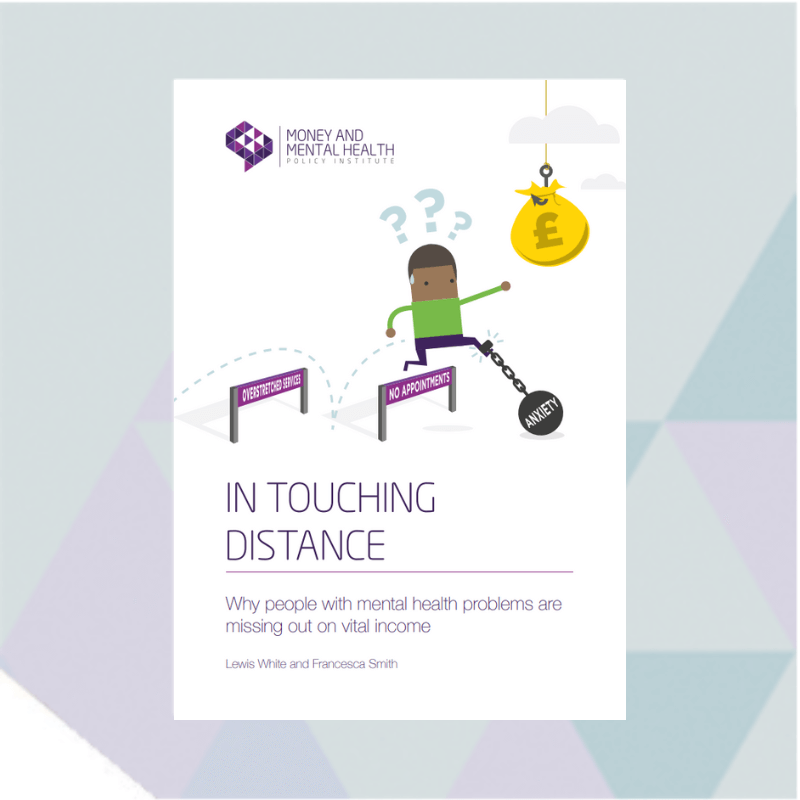
In touching distance
Why people with mental health problems are missing out on vital income
This report (which is supported by Barclays) explores how people with mental health problems access income maximisation support – services that help people claim the benefits, grants and discounts they are entitled to. Using nationally representative data, it estimates that around 3.4 million people in the UK with mental health problems could benefit from this kind of help.
The research finds that, when people do get income maximisation support, it can make a significant difference to both their finances and wellbeing. But systemic barriers mean many at the sharp end of the cost of living crisis are missing out on this support.
Key findings include:
- Many people facing both mental health problems and financial hardship aren’t getting income maximisation support. In a survey of 409 people with mental health problems, only 35% had accessed this kind of help — even though 52% said they regularly run out of money for basic essentials.
- People who access income maximisation support are most likely to do so via online benefits calculators (54%). While these tools are very helpful for some people, our analysis suggests they are insufficient for 86% of people with mental health problems, who would benefit from more tailored support from an adviser.
- Intensive, adviser-led income maximisation support is patchy and overstretched. Debt advice providers funded by the Money and Pensions Service are generally only required to offer “initial contact” support – like signposting people to potential entitlements – so many services deliver the bare minimum. The result is a postcode lottery in access to more in-depth, adviser-led help.
Key recommendations
The government should:
- Carry out a national review of income maximisation support to map how it is funded and delivered across the country, and where gaps remain. The findings should be used to develop a coordinated strategy to increase take-up and ensure support consistently reaches the people who need it most.
The Money and Pensions Service should:
- Make it a requirement for all debt advice providers to offer at least a basic, adviser-led (advice-only) income maximisation service as standard.
Banks and essential services providers should:
- Commission income maximisation tools and services, and build in clear referral routes so customers are signposted to support at multiple points in their journey – especially when they are experiencing, or at risk of, financial difficulty.
This report was sponsored by Barclays. It represents the research and views solely of the authors and of the Money and Mental Health Policy Institute and does not represent the views or experiences of Barclays.