

Kate Wells, Research Officer, Money and Mental Health
“With great data-sharing power comes even greater responsibility”
26 November 2025
- We brought together Research Community members and experts from energy, water, finance, regulation and the charity sector to explore how data-sharing can work better for people in vulnerable circumstances.
- Participants explored how a ‘tell us once’ model could give people greater control over their information, while safeguarding sensitive data and ensuring consistency across services.
- Lived experience shaped every discussion, from the stress of repeatedly retelling personal stories to concerns about who sees their data and why.
- Insights from the sprint are now informing the next phase of our work, as we explore what a trustworthy, connected data-sharing approach could look like.
How can data sharing between essential services work better for people in vulnerable circumstances – especially those of us living with mental health problems? That’s the question we explored at our recent Data-Sharing Ideas Sprint on 6 November 2025, which brought together members of our Research Community with more than forty people from energy, water, finance, regulation and the charity sectors.
The session built on our ongoing research into the potential of a ‘Tell us once’ approach – exploring how to set up a system where someone can disclose once that they have a mental health problem and additional needs, and for that to be shared safely and consistently across different sectors. This is part of a multiyear programme of work we’re doing on data sharing, funded by the Aviva Foundation.
A different kind of event
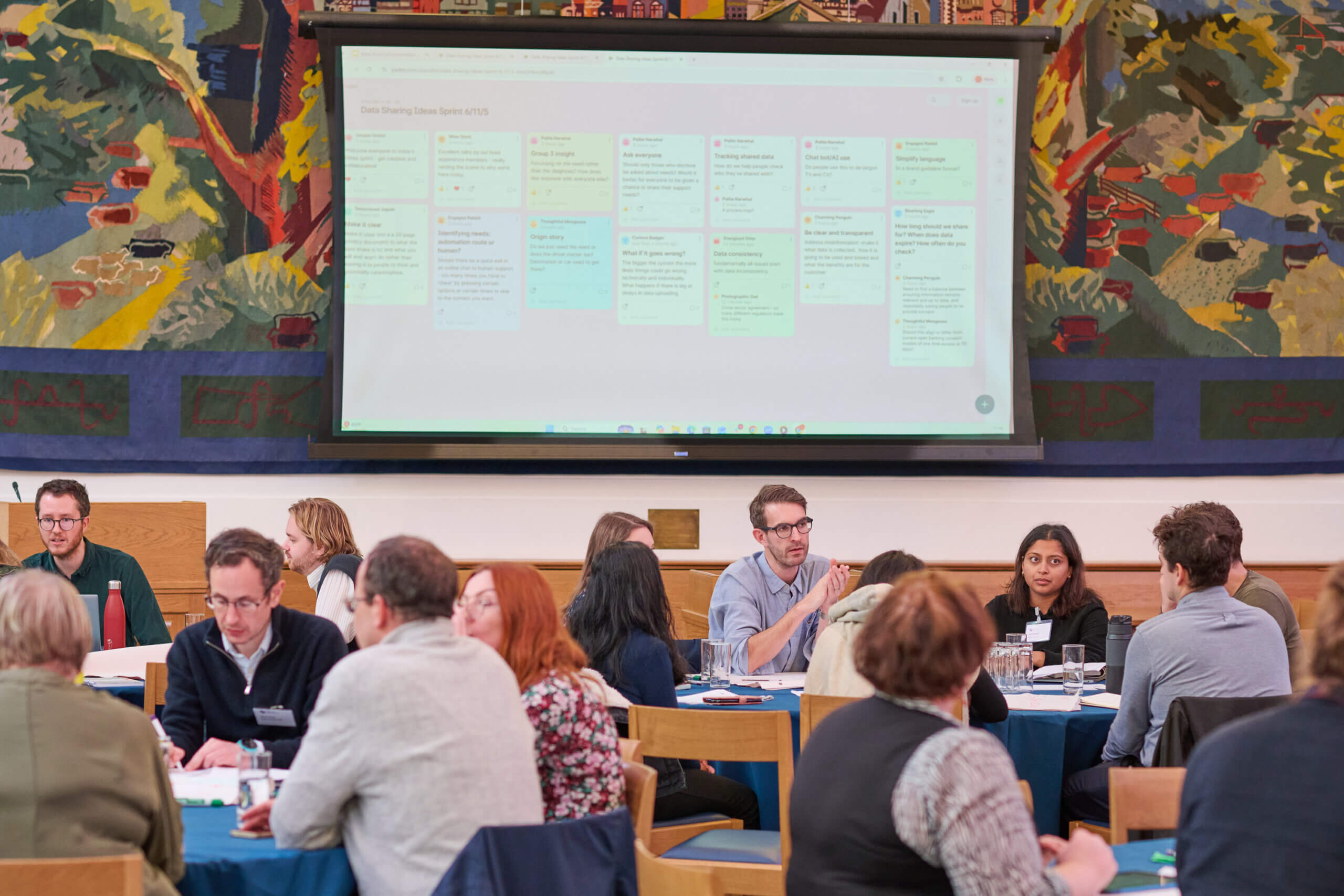
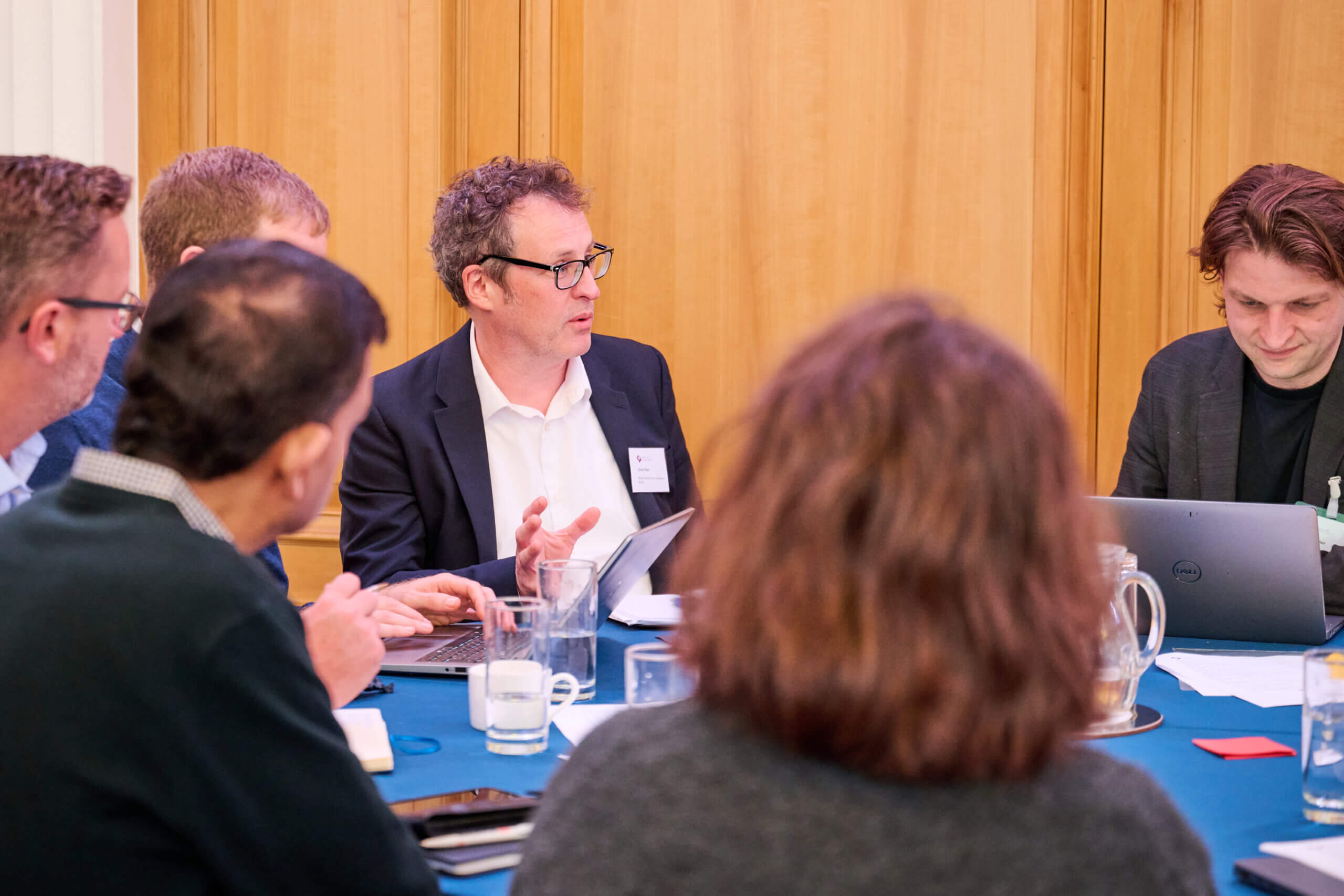
We wanted to complement the principles we had developed in our research with ideas that are practical and grounded in real experience. Attendees were split into six mixed-sector groups, each tackling a specific tension drawn from what we’d heard from people with lived experience in our Research Community, as well as through our engagement with experts in this topic.
The words of Research Community members framed every conversation. From the frustration of having to “tell your story over and over again”, to the anxiety about who sees sensitive information, those real life experiences set the tone for the day – reminding everyone that this isn’t just about data; it’s about people.
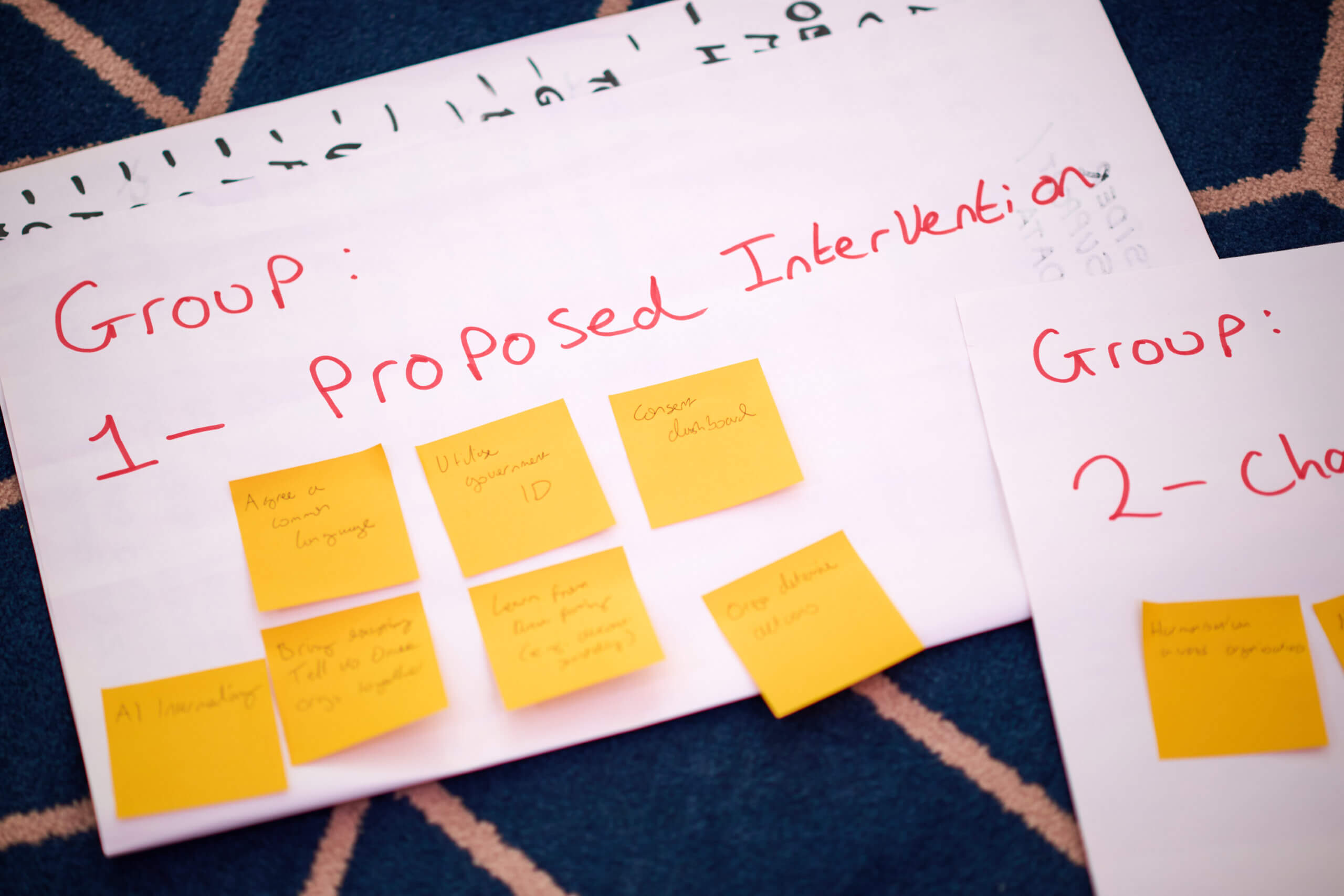
Armed with flipcharts, pens and an online Padlet wall for interactive comments, groups sketched, tested and refined ideas together. The sprint format – short bursts of creativity followed by reflection – kept the energy high and the focus human.
Why this worked
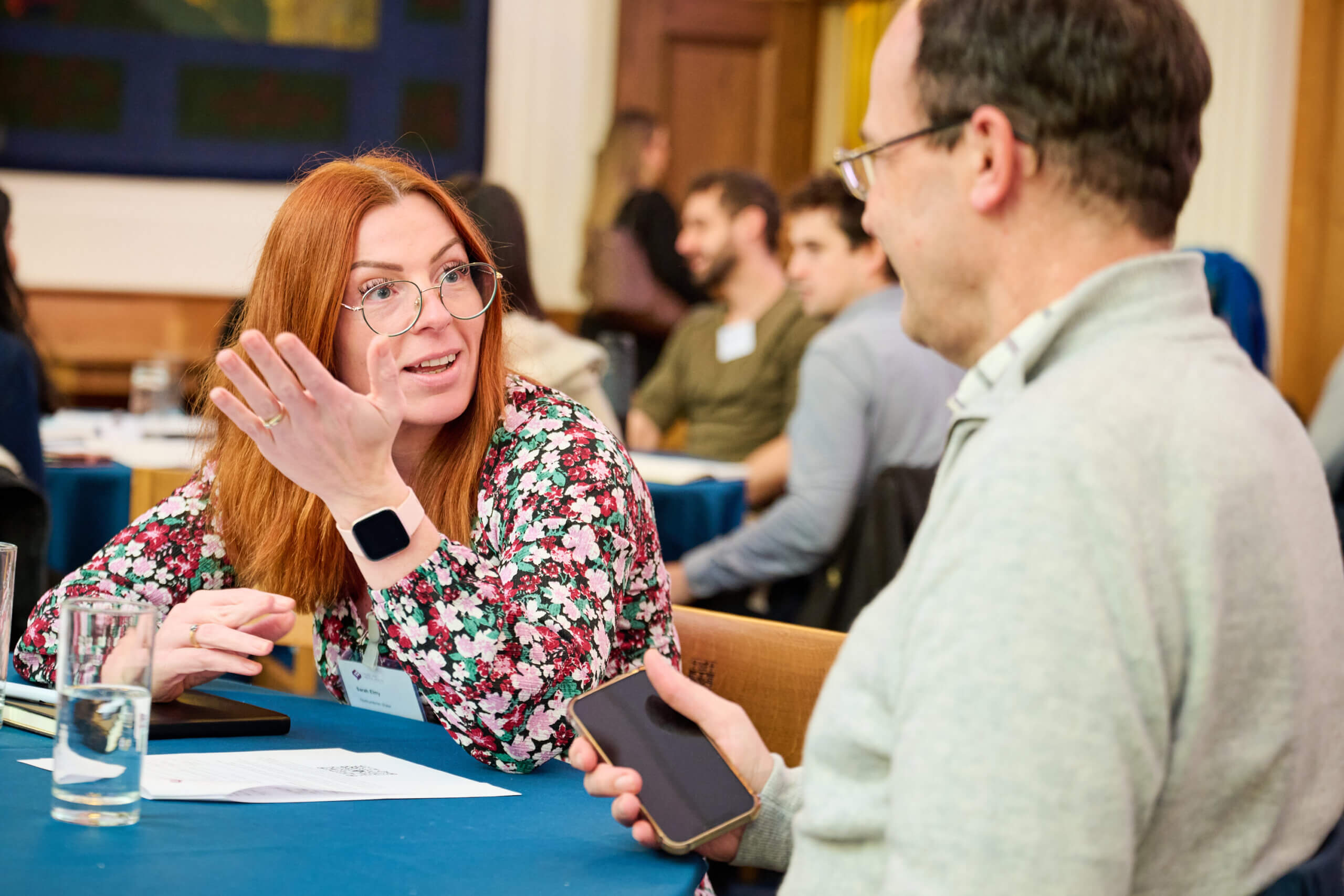
The mix of voices made the day so powerful. Policy experts, regulators, data specialists and consumer advocates all brought different insights – but with lived-experience stories always prominent, discussions stayed grounded in what matters most: dignity, control and understanding.
Instead of abstract debate, we saw real collaboration. People built on each other’s ideas, questioned assumptions and kept circling back to one key question: how would this feel for someone who’s already struggling with their mental health?
What we heard
Across the day, some consistent priorities came through loud and clear. People wanted to see data-sharing systems that are continually transparent and easy to understand, flexible enough for changing circumstances, and accountable when things go wrong. They came up with ideas that gave choice and control over what’s shared, and fairness for those who can’t or don’t share data.
When we brought all the discussions together, some clear patterns started to emerge. Across the groups there was a real appetite for something more connected – a way to make existing systems work better together, grounded in shared standards and clear governance that could help build trust and let someone share their information once.
Shaping what comes next
The Ideas Sprint has already helped to shape the next phase of our research. We’re working out how a “share once” approach could work – and what would need to be put in place for it to do so safely and fairly.
The conversations on the day offered rich insights into how trust is built, how consent might need to evolve, and how any future model must balance innovation with empathy. Participants began to sketch what a good system could look like – touching on openness, accessibility, accountability and consistency across sectors – without losing sight of the human experience that drives it all.
Those ideas are now informing the next stage of our work, where we’ll explore how this and principles we’ve developed with our Research Community could translate into policy and practice. Our forthcoming report (due to be published in 2026) will share what we’ve learned, what we think should happen next and what a trustworthy, connected approach might look like.
Because as the day reminded us, with great data-sharing power comes even greater responsibility – to build trust, ensure accountability, and get it right for the people who need it most.
If you’d like to hear more about this project, share your perspective or explore opportunities to get involved, we’d love to talk. Please get in touch with our team at Money and Mental Health.