

Karen Blanco Pereira, External Affairs Intern, Money and Mental Health
When Transactions Speak Louder Than Words: Three takeaways from our launch event
10 November 2026
- Last week we launched When transactions speak louder than words, our new report exploring how banks can use transaction data to offer proactive support to people who may be facing financial difficulty and mental health problems.
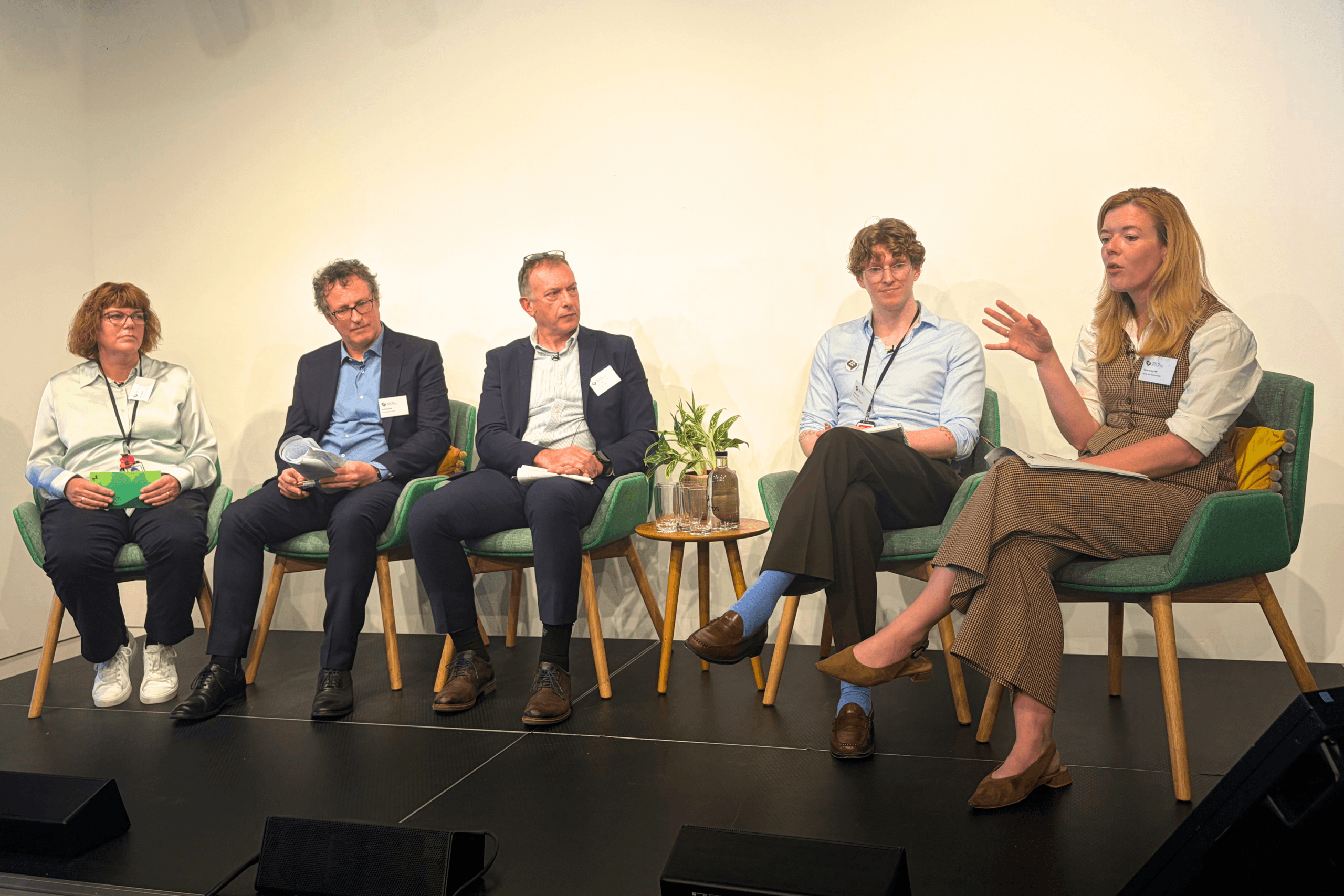
- Our launch event, supported and hosted by Lloyds Banking Group, brought together voices from banking, regulation and the mental health sector to discuss how banks can move beyond reactive support and spot when customers are struggling before they reach crisis point.
- Consent, transparency and choice must remain at the centre of this work, with lived experience built into the process, as support remains conditional on customers being able to opt-in and opt-out of this support as well as understanding how their data is used.
Last week we launched When transactions speak louder than words – our latest research project funded by Lloyds Banking Group, exploring how banks and financial services can use transactional data analysis to provide proactive support to those experiencing mental health problems and financial difficulty.
We brought together voices across the financial sector including: Jasjyot Singh OBE, CEO – Consumer at Lloyds Banking Group; Jane Rodrick, Head of Customer Vulnerability at Lloyds Banking Group; and Jonathan Pearson, Head of Department, Consumer Policy & Outcomes at the Financial Conduct Authority. They were joined by voices from the mental health charity sector, including our Chief Executive Helen Undy OBE; our advisory board member and Vulnerability Lead Consultant Dr Chris Fitch; and our Research Officer Lewis White, who authored the report alongside Chris Lees.
Helen Undy opened the discussion by posing a question that we at Money and Mental Health have been raising for the past 10 years: can banks spot when customers are struggling, and when does the responsibility to intervene begin?
Members of our Research Community have previously raised similar points. Since banks can identify and flag unusual transactions and contact customers about potential fraud, might they be able to identify spending patterns associated with financial and mental health struggles, such as nighttime shopping and drastic changes in spending behaviour? For people struggling with their mental health, even a simple intervention could make a meaningful difference. But how do we guarantee it is done correctly and sensitively?
Moving from reactive to proactive support
Banks already use transaction data to identify suspicious activity and flag potential fraud. There is an untapped opportunity to apply similar approaches to identify signs that someone may be struggling with their mental health and their finances, which as we know are intricately linked to each other.
Our research found that a combined 63% of people surveyed support banks using transaction data analysis in some way, and we also found that 61% of respondents said that they would have benefited from such support in the past. Early intervention can help reduce the psychological harm that comes with financial difficulties.
The financial sector shouldn’t wait for customers to reach a crisis point to offer support, we need to move beyond reactive support. Transaction data analysis can help banks identify when someone might be at risk and in need of tailored support before reaching that crisis point.
Putting lived experience, choice and privacy at the core of the work
Financial data is highly personal and sensitive information and firms must carefully balance the potential benefits of this work against customers’ right to privacy and choice. As Jonathan Pearson from the FCA explained, transaction data analysis should not be treated as a diagnosis, approaches need to be appropriately tested to ensure interventions are safe, supportive and beneficial to customers.
Lived experience must also sit at the core of this work, research and data alone do not guarantee the correct outcomes if the solutions proposed don’t accurately reflect what people who are experiencing these difficulties actually need.
“I feel cautiously positive about the idea, as there is definite potential for it to help people earlier and prevent financial harm linked to mental health problems. At the same time, it raises important concerns about privacy and the risk of banks making assumptions about someone’s mental health based solely on transaction data.” Expert by experience
Identifying when someone may be struggling is only the starting point and banks must prioritise data transparency, customers’ control over their data and customers’ consent on the usage of this data with the flexibility of being able to opt-in and opt-out whenever they wish to.
Meaningful support
Spotting someone who needs support is only the first step, one of the biggest questions raised during the event by Dr Chris Fitch was around what meaningful support should look like.
It can be difficult to reach out for support and accept it when going through a period of mental health crisis, customers need concrete help, something that goes beyond simply identifying a problem. This help should be available for customers during periods of struggle but also beforehand, allowing people to make decisions about the support they may need even before they reach that point.
The research gives a clear steer into this direction, suggesting banks provide light-touch check-ins where they clearly explain why they are getting in touch, using sensitive and supportive language. Messages should also include an appropriate support option and clear signposting if needed, whilst making sure their staff are appropriately trained to assist customers.
Robots and recommendations
And with the rise of AI, banks need to ensure they give that essential human connection to customers seeking support during periods of mental health difficulty and financial struggle. While AI has the potential to support banks during the data analysis, it is important to recognise its limits in the conversational aspect of the support, where the human touch, kindness and empathy matters the most.
Our research found roughly equal levels of support (34%) and opposition (36%) to banks using AI for data analysis. However, seven in ten (70%) respondents expressed some level of opposition to firms using AI for deeper, conversational support. For banks developing their own AI tools to provide this support, they should:
- Ensure there will always be a route to a human when using any type of customer-facing AI support.
- Make sure AI tools have sufficient and accurate information to provide appropriate support.
As we finished the event, there was an air of hope and excitement for what the future holds. The research is early and exploratory, and aims to lay the groundwork for the financial sector. Speakers reiterated that collaboration was essential for the success of this work, effective support cannot come from banks and charities working independently, this work requires strong partnerships across organisations, and it requires lived experience insight at the centre of the work.