

Leia Ben Naceur, Research Community Officer, Money and Mental Health
Our first event shaped by and for the Research Community
21 April 2026
- Last month we brought together members of our Research Community, community organisations and support service representatives for a workshop exploring how local money and mental health support could work better.
- This event was built on multiple surveys with the Research Community, which showed, among other things, how widespread the barriers to getting help are.
- We want to run more events like this and to make sure that what you told us drives real change.
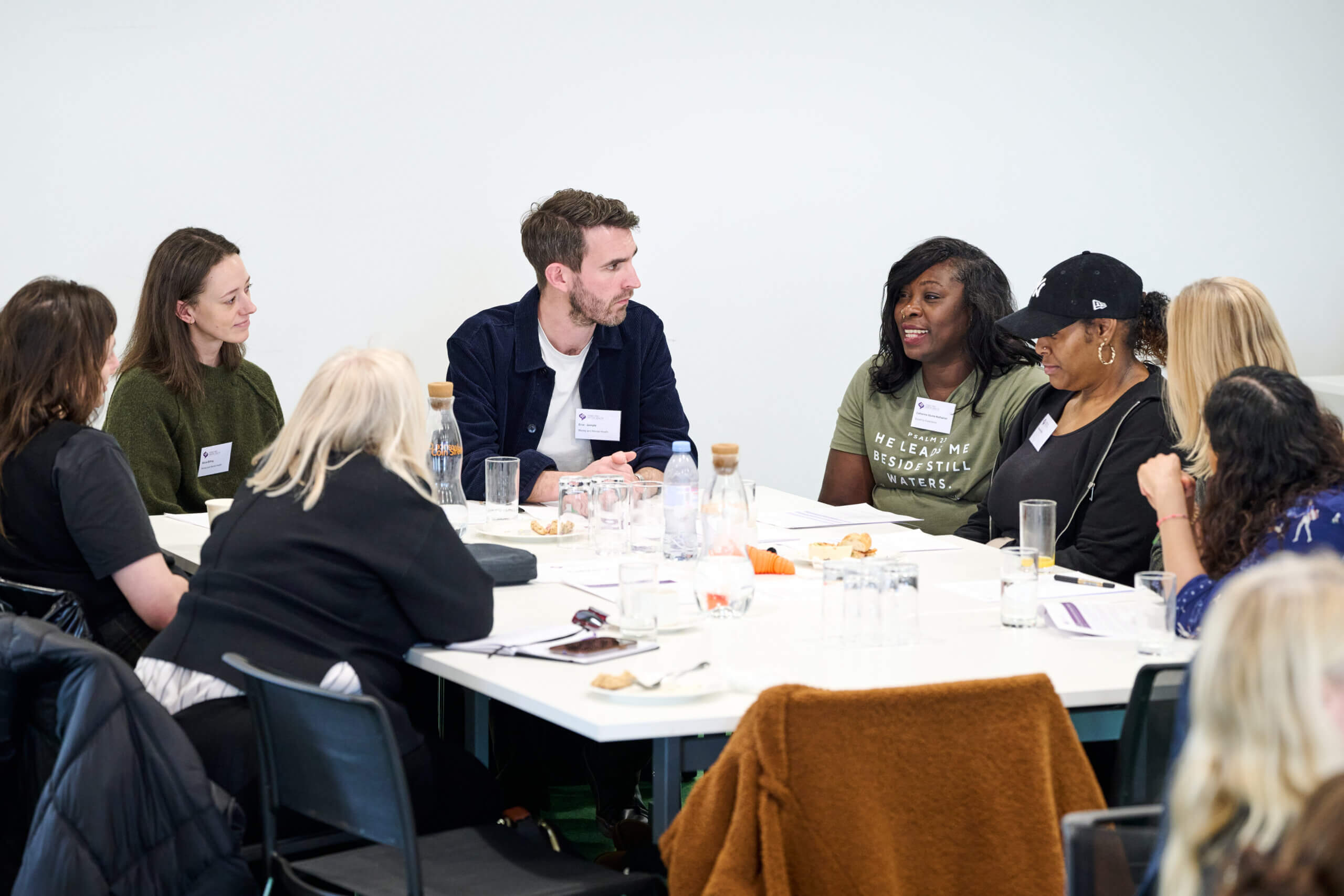
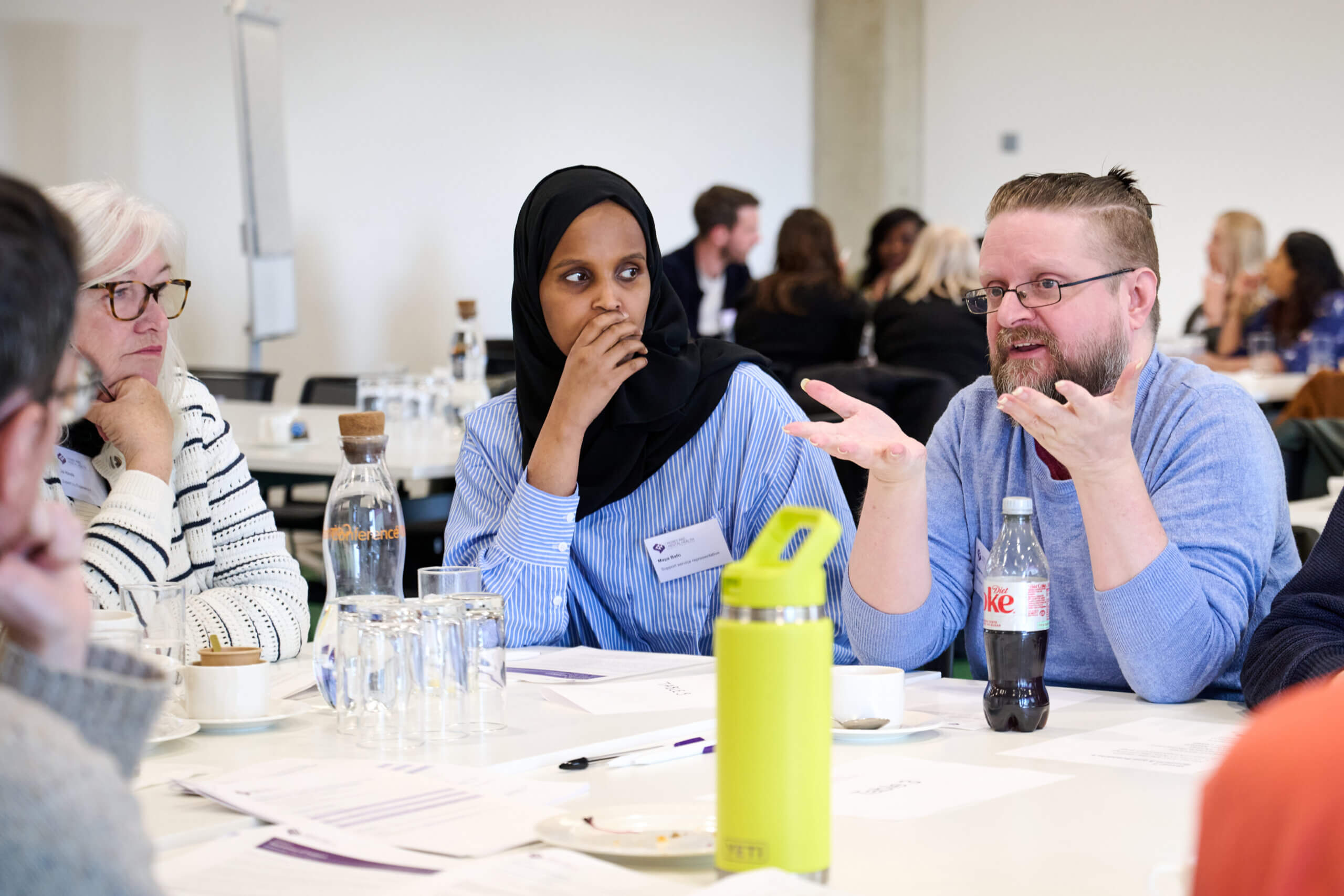
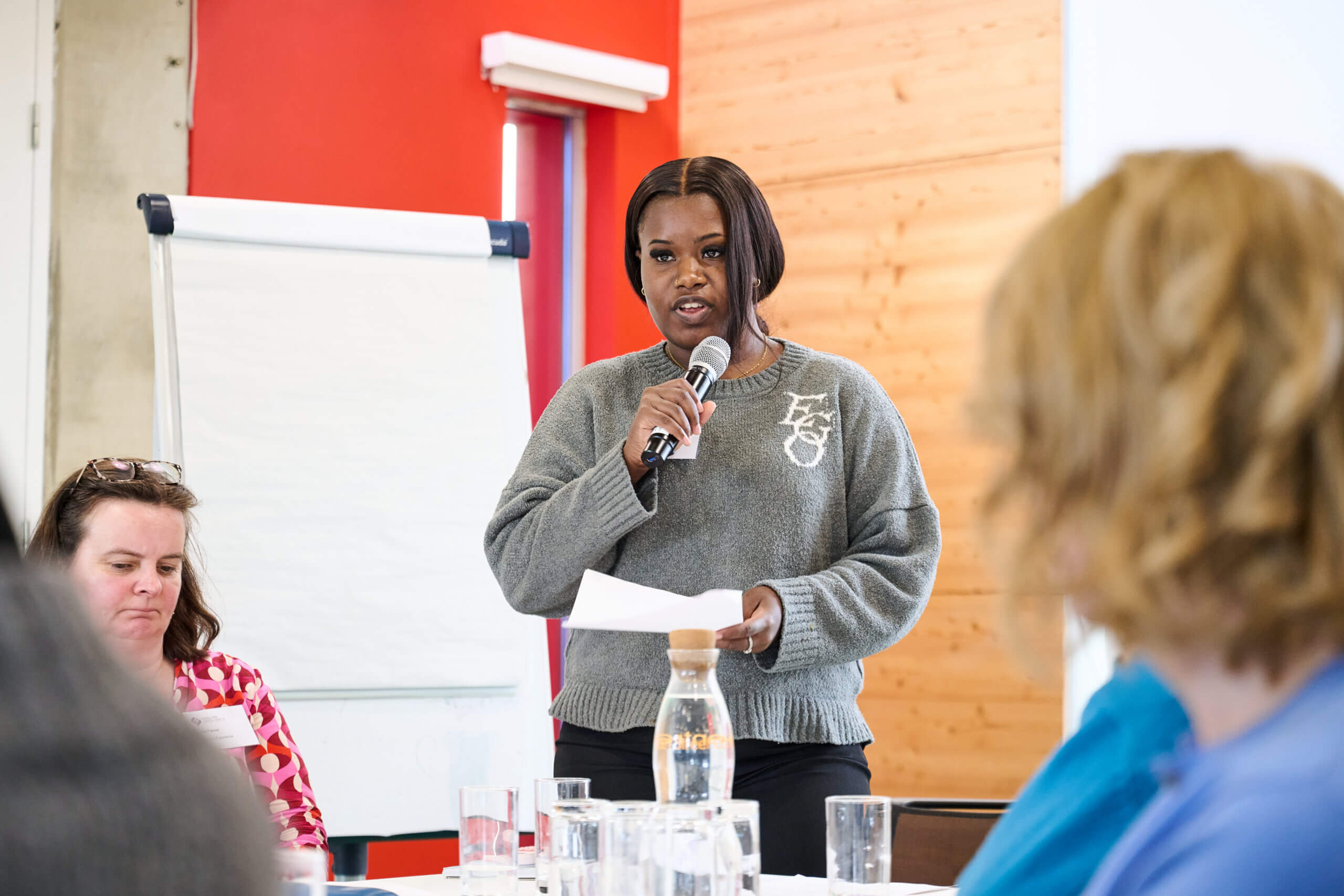
On the 25 March, around 60 people came together for a half-day workshop unlike most events we’ve run in the past. In the room were people rooted in the local area who work in financial support services, community organisations and most importantly, people with lived experience of mental health problems, many of whom are members of our Research Community.
Why we did this
Given how central lived experience is to the work we do, we’ve always included Research Community members in our events whether they be for launching a new report, or an ideas-sharing workshop. But we’ve never involved as many Research Community members, or lived experience voices, as we did at this event.
We often hear from organisations we work with, or those who attend our events, that lived experience voices have such a significant impact on them and at Money and Mental Health, we’re always trying to involve the Research Community more in the work we do, and so hosting an event where the majority of attendees were Research Community members was a natural extension of this.
And who better to help us design what an event like this could look like than members of the Research Community themselves? Over a couple of months, we asked Research Community members what an event that centered their experience could look like and what that event could address.
What our research told us and what was still missing
At Money and Mental Health, we’ve spent a decade demonstrating the links between financial difficulty and mental health problems and have called on the NHS, financial services, and the government to do more to disentangle these experiences.
But we knew there was a gap. Our research often makes recommendations for local services offering money or mental health advice, but on specific subjects like debt or benefits. But life is more complicated than that and people often need multiple types of support at the same time.
We heard from nearly 400 Research Community members about their experiences of accessing support. We learned that the majority of members couldn’t gain access to support they needed either because the services were at capacity or didn’t have the skills to provide the kind of support needed, what was on offer was too far away, they didn’t know of what was available, or the costs were simply too high.
Many of us can see that community spaces and organisations offering support are struggling to meet the needs of people using their services, or even to remain open at all. And we know from our previous research that joined up money and mental health support is lacking in the first instance.
So we created a space for dialogue between these groups: people with lived experience, and people hoping to support them.
“It was a warm and welcoming event. It was friendly and unhurried. With an interesting subject that generally gets forgotten about.” Event attendee
What the workshop looked like
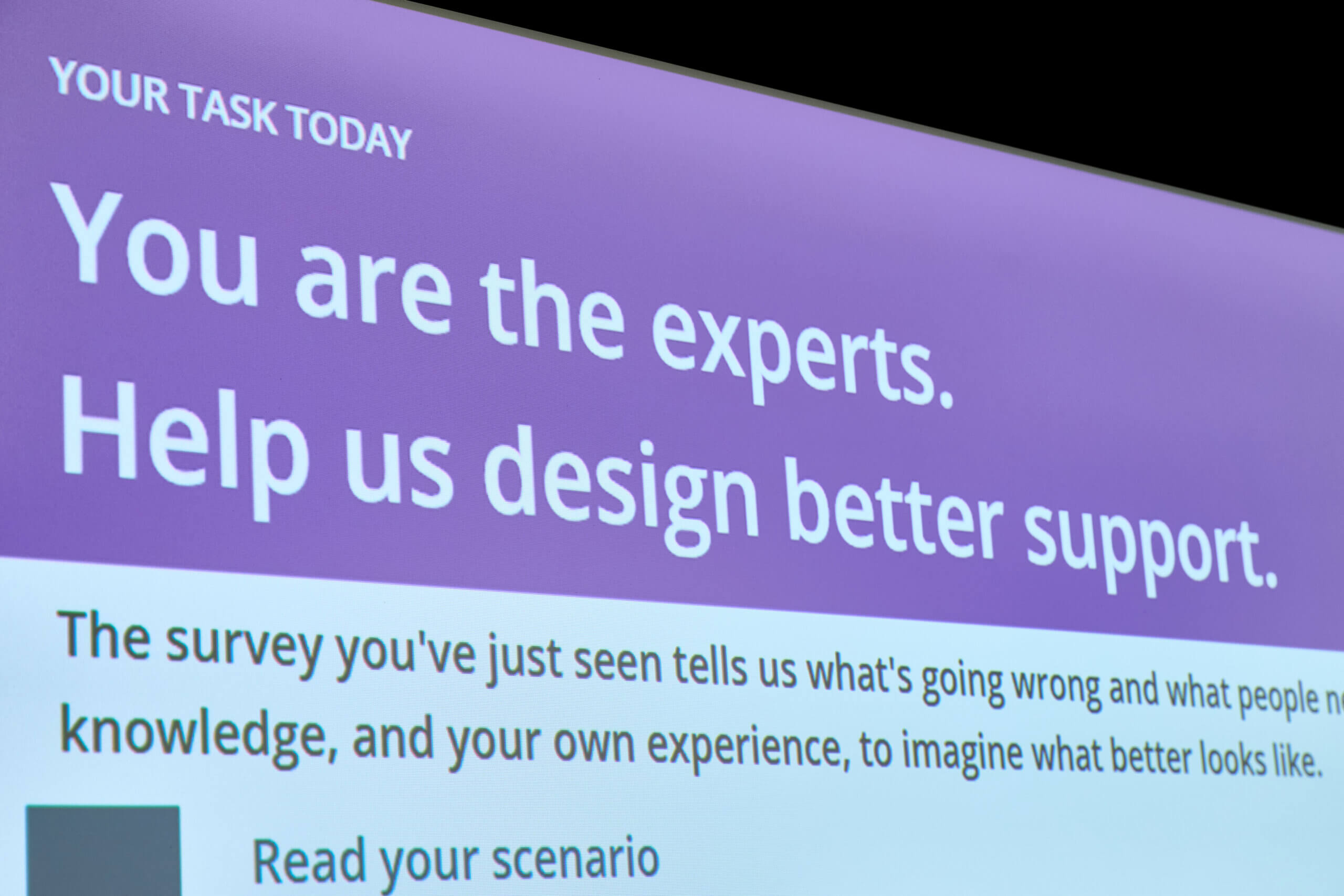
We designed some fictional but realistic scenarios based on the issues faced by Research Community members in accessing support. Each scenario explored a different way the system lets people down:
- a council call handler who spots that someone is struggling but has no power to pause enforcement action;
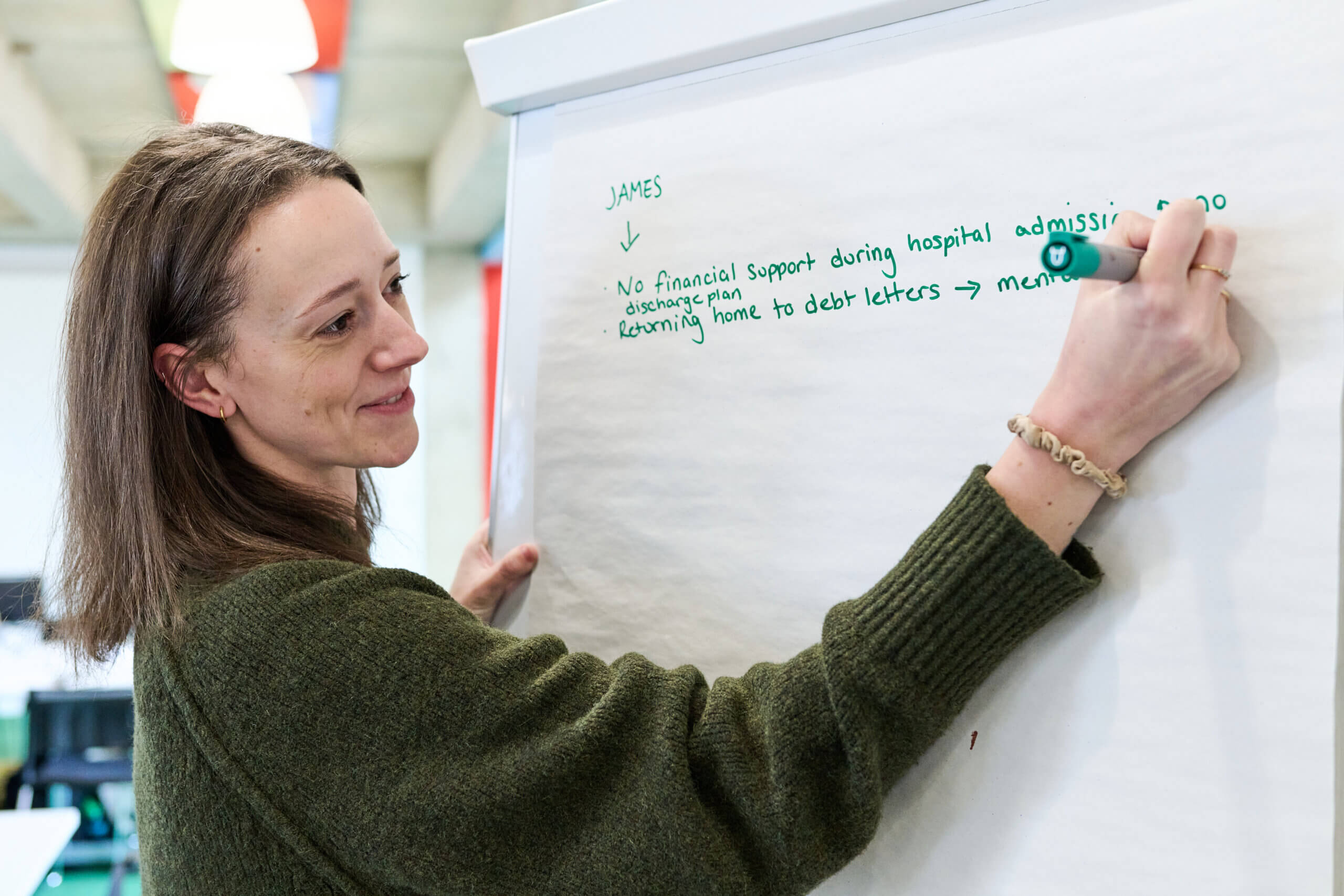
- a man who leaves hospital after a mental health crisis to find months of unopened letters and a court summons waiting for him;
- a woman who is receiving support from her GP but has never been told that financial help exists;
- a local advice service that closes with four weeks’ notice, leaving the people it was supporting with nowhere to turn.
Each scenario was discussed by a group made up of people with lived experience and people working in South-East London based support services with the purpose of rewriting them. Each group identified what ‘better’ looks like and what we need to change to make it possible.
“Great event to get those with lived experience and organisations working together to come up with solutions to gaps in service. Event was organised so well, it created a calm and very inclusive environment to open up and talk. Felt thoughts and sharing was heard, valued and important.” Event attendee
Why it mattered that Research Community members were in the room
Without lived experience it’s easy to find solutions that don’t work. Solutions can tick a box and make people designing support feel as though they’ve addressed the problem – but without dialogue with people who need that support it’s impossible to know if that solution is the right one.
Making lived experience so central in each group’s conversation meant that people working to provide support could know: what is actually feels like to explain your situation to a fifth different person because no one passed on your notes; what it feels like to be signposted instead of receiving actual support; being told to call someone or fill a form in when your mental health makes it impossible.
“I wanted to reach out and express my sincere thanks for the event this week. It truly was first-class and superb. As this was the first in-person event for Money and Mental Health, I wasn’t entirely sure what to expect, but the day was incredibly professional and productive. It was a pleasure to participate, and I am excited to see the results of the research once they have been collated.” Event attendee
What happens next
We were so happy to meet so many Research Community members who allow us to have the impact that we do. Having so many of you in one room only makes us want to host more events like this.
In the coming weeks we’ll share a summary of the workshop findings which will feed directly into our research and advocacy work around support services going forward. Wherever our research points next – whether that’s emphasising the importance of local support, further identifying gaps in community mental health provision, or the experience of specific groups who are particularly underserved – your voices will be part of what shapes it.